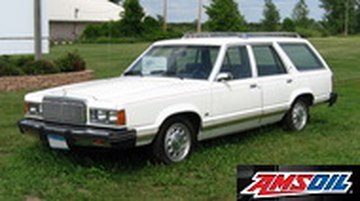
Lubrication Maintenance for the 1982 Mercury XR7 3.8L
Maintaining a vehicle from the early 1980s requires a proactive approach to fluid management and mechanical inspection. For the 1982 Mercury XR7 equipped with the 3.8L engine, consistent attention to lubrication systems is a fundamental aspect of long-term ownership. Because older engines may exhibit different sealing characteristics than modern counterparts, understanding how to monitor and respond to changes in lubricant condition is essential for preserving engine health.
Monitoring Fluid Integrity and Potential Leaks
One of the most effective ways to manage an aging engine is through regular visual inspections of the engine bay and undercarriage. For a vehicle of this era, checking for signs of fluid seepage is a primary maintenance task. Rather than waiting for a significant loss of lubricant, owners should look for small traces of oil around various sealing surfaces. Evidence of seepage can often be found near gaskets or where different engine components meet.
When performing these inspections, it is helpful to look for:
- Dampness or dark staining on the exterior of the engine block or near component interfaces.
- Fresh fluid spots on the driveway or garage floor beneath the vehicle.
- Accumulated grime that may be trapping older, leaked oil.
If any signs of leakage are observed, they should be investigated promptly. While a small amount of seepage might be expected in an older engine, identifying the source early can prevent more significant issues. It is important to note that many different factors can cause fluid to appear outside of its intended pathways; therefore, a visual observation should be treated as a prompt for further inspection rather than a definitive diagnosis of a specific failed component.
Observing Changes in Lubricant Condition
Beyond looking for external leaks, monitoring the actual state of the engine oil provides valuable information about the internal environment of the 3.8L engine. The appearance and smell of the lubricant can change based on how the vehicle is operated and its overall maintenance history.
A change in the color or consistency of the oil may indicate that the lubricant is no longer performing its intended role effectively. For instance, if the oil appears excessively dark or contains visible particulates, it may suggest that the fluid has reached the end of its service life or that contaminants are present. Similarly, any unusual odors emanating from the crankcase should be noted. While some odors can be attributed to external factors, such as oil contacting a hot exhaust component, they warrant a closer look to ensure the engine is operating within normal parameters.
If you notice an unexpected increase in how often the vehicle requires lubricant replenishment, this is a significant indicator that should be addressed. Unusual consumption patterns can be associated with various mechanical states and should be investigated to maintain proper lubrication levels at all times.
Prioritizing Maintenance Based on Current Condition
For owners of a 1982 Mercury XR7, effective maintenance planning often involves moving away from rigid schedules and toward condition-based monitoring. While following general service guidelines is helpful, the actual state of the vehicle's components should dictate where you focus your efforts.
If you are managing a vehicle with an incomplete service history, establishing a baseline is a logical first step. This involves performing a thorough inspection of all fluids and visible mechanical components to understand the current "starting point" of the engine's health. Once this baseline is established, you can more easily identify changes over time.
When deciding which tasks to prioritize, address active concerns first. An active leak or a noticeable change in fluid behavior takes precedence over general preventive measures. By focusing on these immediate indicators, you can manage the vehicle's needs more efficiently. Additionally, keeping detailed records of every oil change, filter replacement, and observed leak helps create a roadmap for future maintenance, making it easier to distinguish between normal aging and actual mechanical issues.
Managing Aging Engine Components
As vehicles age, certain materials undergo natural changes due to thermal cycling and time. For the 1982 Mercury XR7, this means being mindful of various rubber and composite parts. If equipped, inspecting accessible drive belts for signs of cracking, glazing, or fraying is a prudent part of a routine service. Similarly, if the vehicle utilizes various hoses for fluid transport, checking them for brittleness or soft spots can help prevent unexpected failures.
Electrical connections and wiring harnesses should also be inspected periodically. Over several decades, connectors can become brittle or develop corrosion, which may affect how sensors and other electrical components communicate with the engine management systems. A clean, secure connection is vital for the reliable operation of any electronic component present on the vehicle.
It is always more effective to inspect these items based on their actual condition rather than assuming they require replacement simply because of the vehicle's age. A well-maintained component may remain functional for a long time, whereas a neglected one might fail prematurely regardless of its manufacturing date.
Effective Record Keeping for Long-Term Ownership
One of the most overlooked aspects of maintaining an older vehicle is the documentation of service history. For a 3.8L engine, knowing exactly when the oil was last changed and what type of products were used can be incredibly beneficial. A consistent log of maintenance helps prevent the accidental duplication of services and ensures that no critical tasks are missed.
Beyond just oil changes, recording observations about fluid colors, any minor leaks discovered during inspections, or unusual noises can provide a "trend line" for the vehicle's health. This data is invaluable if you ever need to consult a professional technician, as it provides them with a clear history of how the engine has behaved over time. Establishing this habit early in your ownership can transform maintenance from a reactive chore into a controlled, proactive process.
Practical Guidance for Buying Engine Oil for your 1982 Mercury XR7 3.8L
When it is time to replenish your engine's lubrication, the most important step is to ensure the product you select matches the specific requirements of your application. Because different engines have unique needs regarding additive packages and fluid properties, you should always refer to the vehicle-specific oil viscosity and application information already displayed on this webpage.
Before making a purchase, carefully check the product labeling to confirm it meets the necessary standards for your engine. You may encounter various formulations, including conventional, synthetic blends, or full synthetic oils. Some high-mileage oil formulations contain additives intended for use in aging engines, and some high-mileage formulations include seal-conditioning additives. Depending on your specific maintenance goals and the current condition of your 3.8L engine, one of these options may be more appropriate than another.
Avoid making assumptions based solely on the age of the vehicle or general automotive trends. Instead, match the lubricant to the application-specific information provided here to ensure the best possible care for your 1982 Mercury XR7.